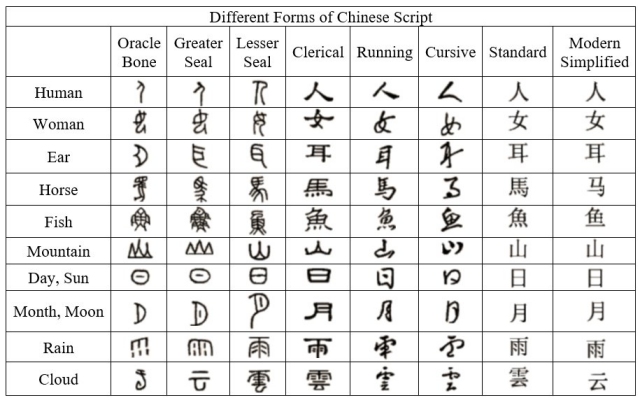
L’évolution des caractères chinois dans le temps
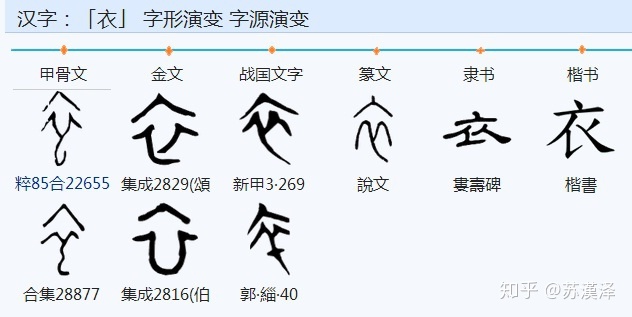
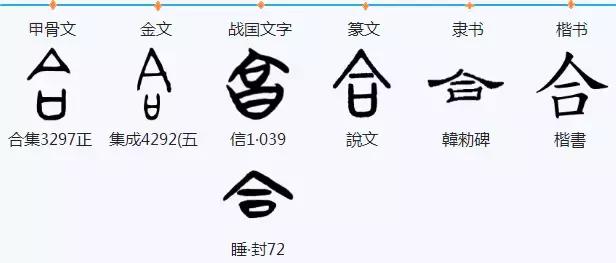
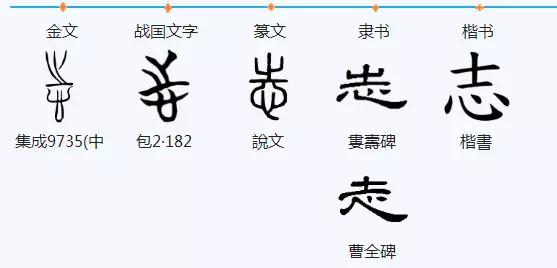
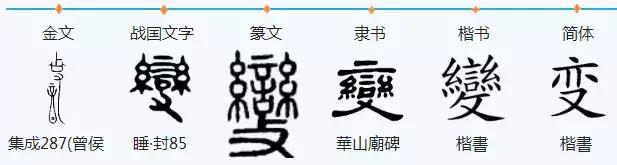
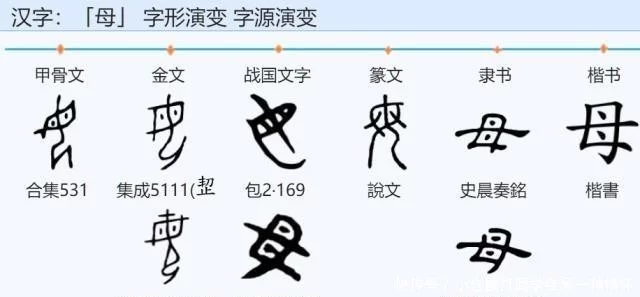
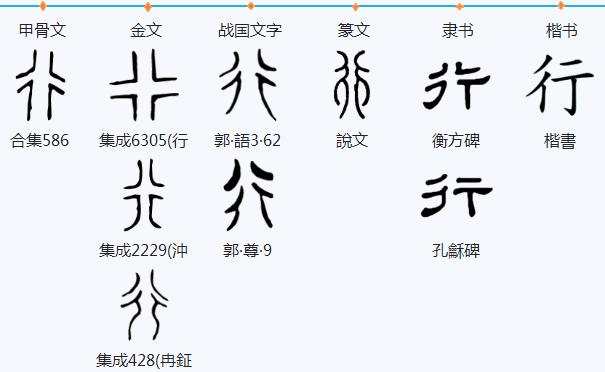
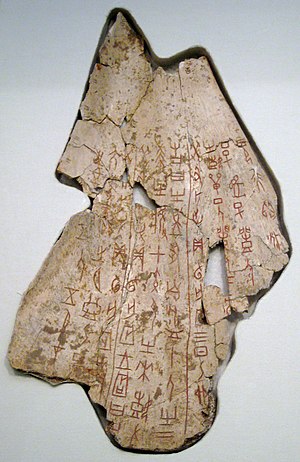
甲⻣字 Jiǎgǔ zì “Oracle Bone Script” (2000-1000BC)
These date back to more than three thousand years ago, where they can be found carved into tortoiseshell or animal bones (also known as ‘oracle-bones’). This was done by some to make predictions about the future. Several of these ancient characters are still used today and even still look almost exactly the same!
_______________________________________________________________________________________
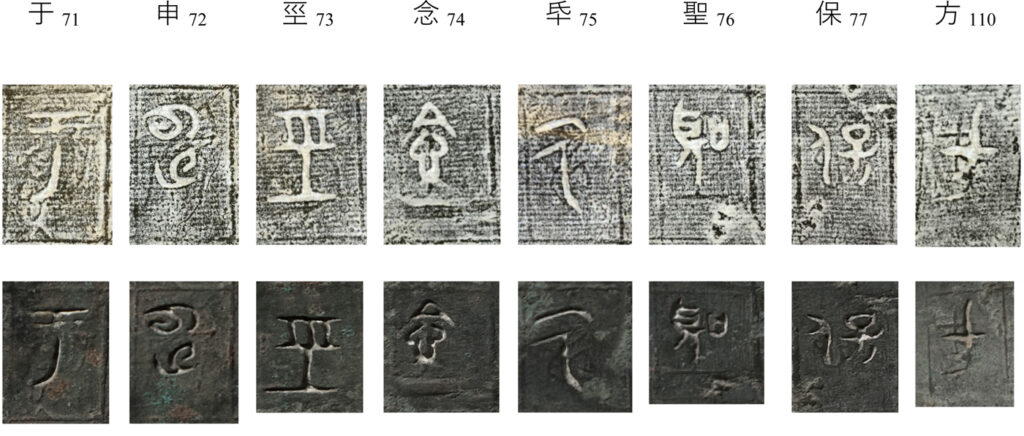
⾦字 Jīnzì “Bronze Script” (2000-300BC)
During the Bronze Age, characters began to be carved or cast onto bronze. They are very similar to the oracle bone script above, except thicker and more structured due to the use of molds.
_______________________________________________________________________________________
篆书 Zhuànshū “Seal Script” (500BC-200BC)
This eventually became the more standardized script used throughout the entire country under emperor Qin. The characters were more elongated during this time. Unlike the previous two character types, they had fewer variants and became the basis of modern-day characters.

_______________________________________________________________________________________
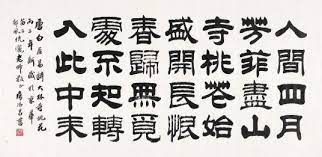
隶书 Lìshū “Clerical Script” (200BC-150AD)
Said to be invented by a man during his 10-year prison sentence as punishment for “offending” Emperor Qin Shihuang. Upon seeing this new form of writing, emperor Qin was so impressed that he rescinded the prison sentence!
This style of writing (often illegible) was invented with the ease of handwritten communication in mind. A key characteristic of this style of writing was the introduction of characters that didn’t directly represent material objects.
_______________________________________________________________________________________
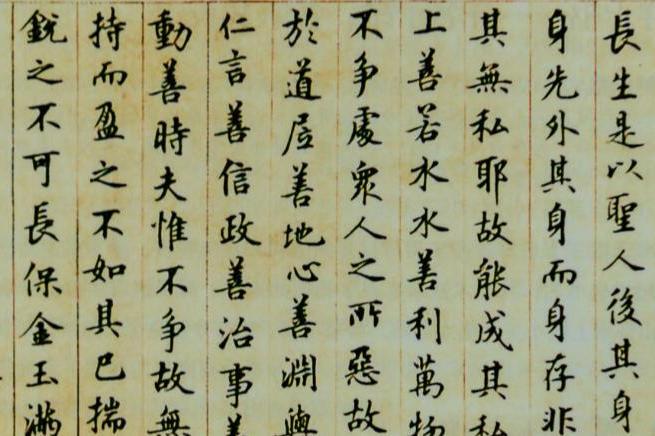
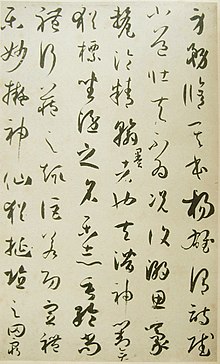
楷书 Kǎishū “Regular Script”, ⾏书 xíngshū “Semi-Cursive/Running Script”, and 草书 cǎoshū “Cursive Script” (151AD-Today)
As the use of writing brushes became more widespread, the clerical script evolved into Kaishu or “Regular Script”. This was due to the clerical script being too complicated and difficult to read. Soon afterward, semi-semi-cursive and cursive scripts were developed to make writing Chinese even easier and faster. These two styles are still in use and fully legible to the average educated Chinese person.